viernes, 11 de septiembre de 2020
GET HYPED!!! World Champs And Aussie Olympic Squad Coming To Tweed Coast Pro
#Windsurf FRANCISCO GOYA: INTERVIEW BY JAKLAR
FRANCISCO GOYA: INTERVIEW BY JAKLAR
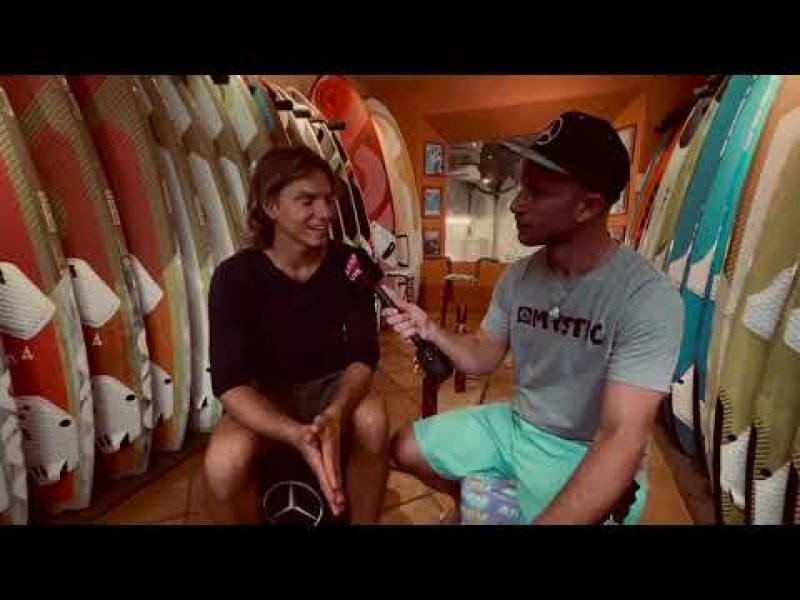
The Jaklar crew visited Francisco Goya after the Aloha Classic last year and have released this video of their interview. Look out for the next issue of Windsurf Magazine, which will be featuring a very interesting interview with Francisco as part of our Mark of a Champion series!
The post FRANCISCO GOYA: INTERVIEW BY JAKLAR appeared first on Windsurf Magazine.
Windsurf Magazine https://ift.tt/3k5Odh4#Windsurf POINT-7 AC-X 7.5 2020 TEST REVIEW
POINT-7 AC-X 7.5 2020 TEST REVIEW
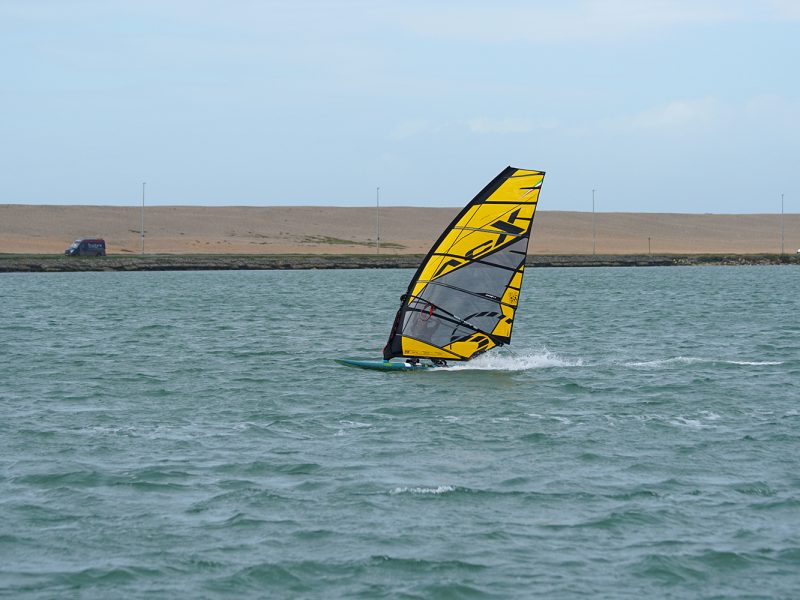
POINT-7 AC-X 7.5 2020 TEST REVIEW
THE VERDICT
A drag racer’s dream, the AC-X delivers a level of performance that the most ardent slalom sailor would be happy with, yet requires minimal input. If you want to be the fastest around your local spot and make it look effortless, this sail could be the most coveted prize in your setup.
OVERVIEW
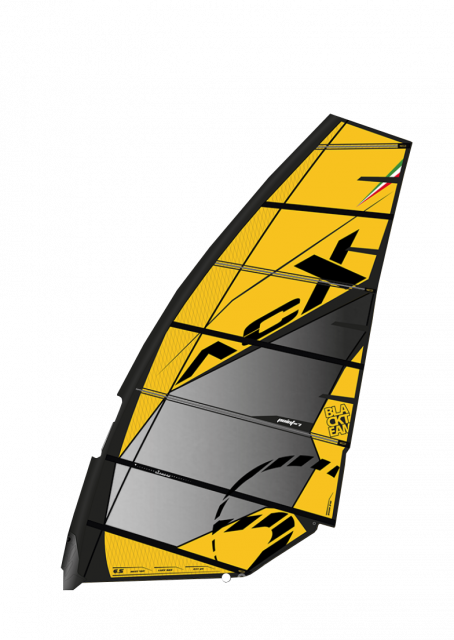
The AC-X bears the slogan ‘slalom no-cam’, providing race performance for “slalom speed seekers, who don’t like the hassle of cams.” It is available in two colour schemes for 2020 – the brand’s trademark black (code 823), or a more standout yellow (as tested here), carrying the code 7458. Another stated tweak for the new season is a remodelling of the profile, improving the speed of rotation and drive through the gybe. Rigged on a Black Prime 460 SDM, it is easy to rig, using the Quick Extension Tuning graphs along the foot of the sail to confirm the extension length required. Apply the downhaul and ‘the setting’ visual mark in the top panel provides guidance on the looseness required. There’s a good amount of curvature in the leading edge, but not as much as you might expect, the height of the AC-X (being the second tallest in the group), and its tapered outline giving it a high aspect appearance. Sporting tubed battens throughout, housed in lightweight anti-stretch x-ply pockets, the sail’s profile is decidedly flat at rest, with only the batten immediately under the boom cutout retaining any contact with the mast. And there is only one clew eyelet offered, said to be determined as the optimum position, to allow the leech to twist and open. It certainly displays a wealth of looseness right down to batten six! X-ply is employed in the foot and luff panel, with a new anti-UV transparent grey monofilm used in the window panel – fitting for a brand with penchant for anything stealth! The other additional panel worth mentioning is a thin slither of Dacron in the lower luff panel, but more of that when we discuss the on-water performance.
BRAND CLAIM
“If cambered sails are not your cup of tea, then the sheer performance specs and looks of the AC-X should be the one for you. Let the wind fill in the sail, and you’ll be smiling, seeing others eating your spray!”
AC-X zero20 from POINT-7 International on Vimeo.
PERFORMANCE
Using the term ‘no-cam slalom’ to describe the AC-X is quite a statement … yet having tried it on the water, we believe it’s fully justified! Flat and neutral in the hands at idle, it looks every bit its quoted size of 7.5m, yet feels composed and willing, the high skin tension galvanising its response to gusts as they hit. The initial pull of the AC-X comes from high in the sail, yet as pressure builds the sail’s low down Dacron luff panel expands and shifts the drive lower down the luff. As a result, the sail has both a fascinating and motivating nature. It powers quickly and smoothly, pulling the rider over the board, its low-cut foot encouraging the rider to lock it into a committed stance. Yet as the next gust hits, the movement in the lower luff pins the board to the floor and effortlessly accelerates as if finding another gear. And what is more, this happens automatically, requiring no input from the rider; all they need to do is hold on and enjoy the ride as they accelerate past their peers! You find yourself hunting for gusts and craving this rush of acceleration, knowing that you’re conserving energy as others wrestle their sails for the same result. It is quite an addictive sensation and encourages use of the AC-X in properly powered to overpowered conditions, sitting on top a thoroughbred freerace or slalom board. That is not to say it doesn’t work reasonably in light marginal winds, but it’s much like buying a Ferrari to potter round town and do your weekly shop in. In the turn the AC-X enters at speed and rotates effortlessly, but just maintain a low stance on exit to counter the high pull if speed is lost.
SPECS
Size: 7.5
Luff: 477 cm
Boom: 206 cm
Battens: 7
Ideal Mast: Point-7 460 SDM (RDM compatible)
Available Sizes: 4.7, 5.4, 6.0, 6.5, 7.0, 7.5, 7.9, 8.4, 9.0.
PRICE: £629.00
OTHER SAILS IN TEST
Back to test overview page..
The post POINT-7 AC-X 7.5 2020 TEST REVIEW appeared first on Windsurf Magazine.
Windsurf Magazine https://ift.tt/2DN0A1Vjueves, 10 de septiembre de 2020
The Tweed Coast Pro - Watch Live: Sept 13 at 7AM AEST / Sept 12 at 5PM ET
The Tweed Coast Pro - Watch Live: Sept 13 at 7AM AEST / Sept 12 at 5PM ET
The Tweed Coast Pro - Watch Live: Sept 13 at 7AM AEST / Sept 12 at 5PM ET
BIG WAVE RIDE OF THE YEAR WINNER JUSTINE DUPONT | Red Bull Wave Big Wave Awards
GUINNESS RECORD FOR LARGEST WAVE EVER SURFED BY A WOMAN!!! Maya Gabeira wins cbdMD XXL Biggest Wave
#Windsurf S25 NAISH FREERIDE SAILS
S25 NAISH FREERIDE SAILS
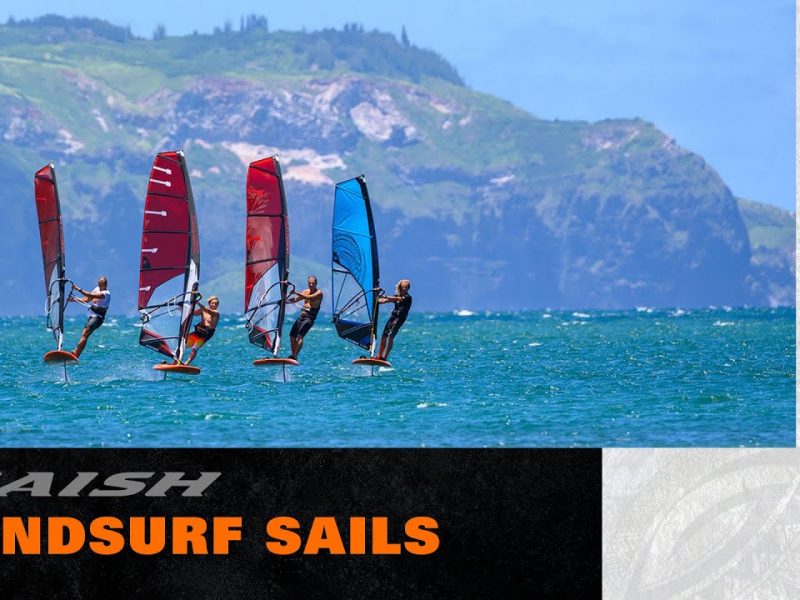
The post S25 NAISH FREERIDE SAILS appeared first on Windsurf Magazine.
Windsurf Magazine https://ift.tt/33eR7cC#Windsurf NEIL PRYDE SPEEDSTER 7.2 2020 TEST REVIEW
NEIL PRYDE SPEEDSTER 7.2 2020 TEST REVIEW
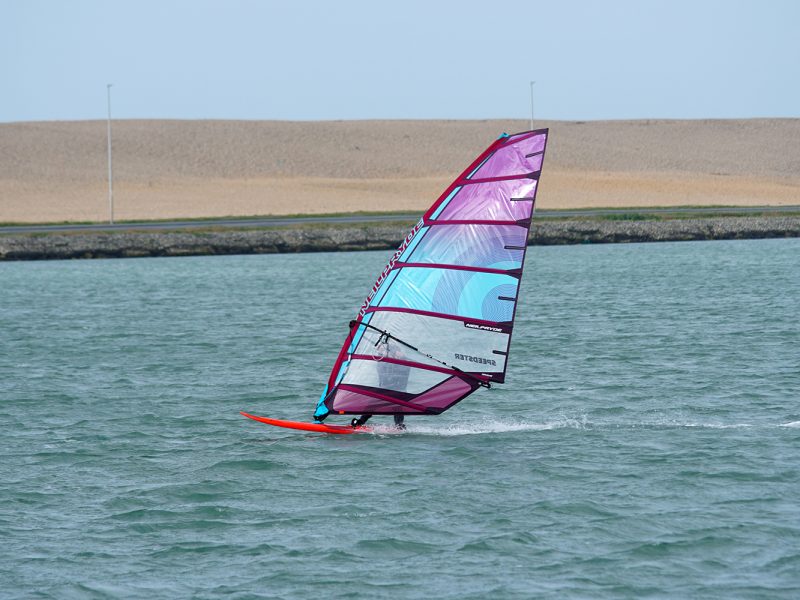
NEIL PRYDE SPEEDSTER 7.2 2020 TEST REVIEW
THE VERDICT
A new breed of no-cam freerace sail, whose bottom end capacity has been masterfully enhanced without detracting from its top end potency. Expensive, but has the look and feel of something special.
OVERVIEW
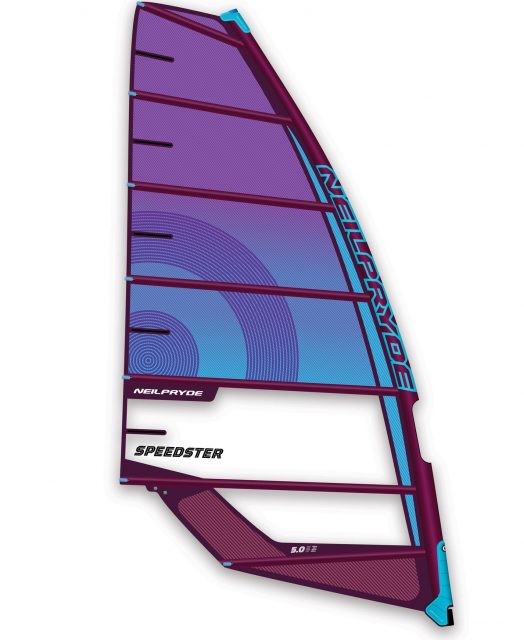
Delivering “slalom without cambers”, the Speedster finds itself in the Neil Pryde lineup once more, sandwiched between the familiar twin-cam V8 and the reinstated Ryde. With its outline and ‘Airflow’ batten orientation lifted directly from the RS:RACING EVO11, its focus is on performance and balanced handling, with tubed battens installed and two stepped clew-eyelet options to choose from. Available in two colour schemes, both of which are equally standout thanks to the brand’s exclusive custom printing technology, it was rigged here on a TPX100 SDM – a mast whose price tag may make your eyes water, but whose performance makes it somewhat justifiable. The sail we had on test was an early one from the production run and as a result had no dimensions or trim markers printed. But rest assured, as with the other 2020 sails tested, they will be present on the Speedster. Downhauling this 7.2m, it sets with a significant amount of luff curve, the leech falling away along its whole length, whilst the lower battens pull away to retain the softest touch with the mast. The sail’s profile is relatively flat at rest, with what shape there is being low down yet relatively far back, in line with the rider. Pryde’s quality design features are in place as usual, including the Fuse Pocket integrated battens, and laminated Forceline load distribution patches in key areas. It is a visually striking sail on land, but would its on water performance serve to match?
BRAND CLAIM
“More user friendly than a cambered sail (easier to rig, uphaul and gybe), the Speedster is more balanced, offering greater performance and wind range than a classic freeride sail.”
PERFORMANCE
In the past a typical no-cam freerace sail has provided nigh on the performance of a dedicated cammed slalom sail, in terms of top end control and efficiency, yet lacked the drive and power to get going in more marginal conditions. Times, it seems, have moved on and the Speedster is one of a new crop that really seems to walk the tightrope well. Downhauled with plenty of skin tension and looseness through the leech, it feels very light and neutral at rest, using the upper clew eyelet to increase the boom’s leverage and reduce its angle. Shallow in profile at rest, as a gust hits, the change in pressure is felt instantly, the stretch in the luff sleeve and movement in the panels allowing the power to be transferred to the board purposefully. The secret to the Speedster’s active nature is the position of the centre of effort: low but further back than most, it is centred around the rider and provides direct feedback through both hands. As the wind fills, the sail’s elastic limit is reached in a flash and whilst the pull isn’t grunty or overwhelming, with good technique it can be put to great effect. Even when powered, the depth of the Speedster’s draft is relatively slight, yet the drive and efficiency of the delivery through both hands is compelling. It is such an efficient sail, accelerating through gusts as if it has no limit. As such, it needs to be partnered with a board and fin that has the capacity to keep up with it, otherwise the Speedster’s appetite to keep charging will start to manifest in control issues. With excellent natural range on one setting, the addition of the dropped inset clew eyelet only serves to extend the Speedster’s top end appeal for the blasting enthusiast. And in transition, the light balanced handling of the Speedster bolsters the rider’s courage to enter with speed and conviction, rotating fluidly and powering up quickly on the new tack.
SPECS
Size: 7.2
Luff: 467 cm
Boom: 200 / 206 cm
Battens: 7
Ideal Mast: Neil Pryde 460 cm SDM
Available Sizes: 5.2, 5.7, 6.2, 6.7, 7.2, 7.7, 8.2.
PRICE: £759.00
OTHER SAILS IN TEST
Back to test overview page..
The post NEIL PRYDE SPEEDSTER 7.2 2020 TEST REVIEW appeared first on Windsurf Magazine.
Windsurf Magazine https://ift.tt/3ajjdq2miércoles, 9 de septiembre de 2020
BLOOD FEUD!!! ANDY IRONS vs KELLY SLATER 2006 | The Lineup Time Machine w/ Selema Masekela and Pat O
#Windsurf DUNKERBECK SPEED CHALLENGE (THIRD PERIOD)
DUNKERBECK SPEED CHALLENGE (THIRD PERIOD)
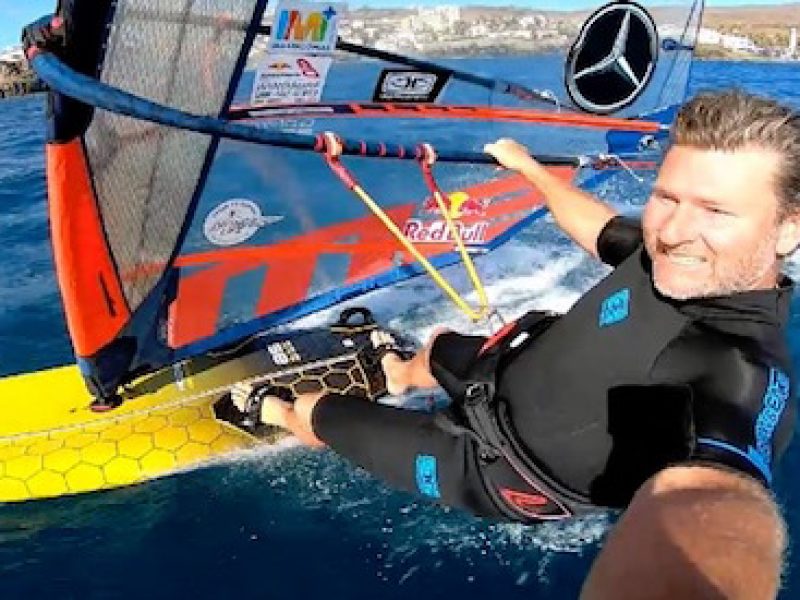
Let’s face it, getting to the start line at Lüderitz involves remortgaging the house for most of us, but if you’ve ever fancied competing in a speed event then Bjorn Dunkerbeck has come up with a genius idea that means you can enter from your home spot, which is pretty handy in these Covid-19 times! The third period of the Dunkerbeck GPS Speed Challenge is set to commence on the 1st of October and will run through until the 1st of December. The philosophy of the competition is to introduce more windsurfers into the speed discipline through a pro-am event, open to all ages. To enter you simply create an account on www.gps-speedsurfing.com, subscribe to the event and make sure you use a GPS that is from the approved list on https://www.gps-speedsurfing.com/default.aspx?mnu=item&item=GPSInfo
The format according to Bjorn is easy! Simply record you top speed over a distance of 250m and post your results on the GPS site. Any windsurfer can do this from youths all the way through to the likes of Bjorn’s father Eugen who is 75! It is a fun format and accessible to any windsurfer anywhere on the planet! Bjorn reckons that there have been plenty of incredible speeds coming from the UK especially from West Kirby! Prizes will be awarded to the top speeds from the different categories from the event sponsors.
There will also be a foil ranking which Bjorn believes to be the future of light wind racing. With the Dunkerbeck Speed Challenge, you can compete with or against your parents or alongside all like-minded windsurfers around the globe. New speed spots have been discovered and new names will come out of this challenge! There are no limits to where you take part or on what equipment you want to ride!
Already planned for 2021 is three to four more speed sailing periods and together with all the participants, Bjorn Dunkerbeck is hoping the event will help promote windsurfing, which in his immortal words is ‘The greatest sport there is!’. We concur!
For more information, check out – https://www.facebook.com/DunkerbeckGPSspeedchallenge/ , https://www.surfbd.com/dunkerbeck-speed-challenge/ and more info. below from the man himself.
“This year, in this exceptional situation that the whole world is experiencing with all the limitations that are being imposed on us, we are happy to continue with the competition format that we have been carrying out since 2015 and to make it even more interesting for all windsurfers.
The online gps- based racing format on www.gps-speedsurfing.com is a perfect way to compete and maintain the social distancing at the same time.
Due to current COVID-19 restrictions unfortunately the Defi –Event, where we are organising since six years “a race in the race” had to be postponed to next year but
online we can compete!

To make it more accessible to all windsurfers in the world and because there are many more spots where you can do this distance, we decided to rank the fastest average speed on 250m.

Because it’s also our main
motivation to
mobilizethe entire windsurfing community and regain relative normality through our sport as soon as possible using current technology to compete together from any country in the world without traveling, while promoting windsurfing as an ecological sport and healthy lifestyle.


Whats NEW this year?
this year we’ll also rank:
- YOUNG GUNS (all kids under 18 years- from 2002 on)
- GRAND MASTER+ (50 years+ born in 1970 and later)
- FOIL
- ALPHA RACE
(What’s alpha race? A small explanation for those who do not know what it is, is to do a distance of 250 metres a jibe and another 250 metres back. The trick is that there can be no more than 50m between the starting point and the return point, and this is where the ability of the windsurfer to set the fastest round-trip course and tell you about the pass comes into play.)

So everybody starts to tune his gear because this year the fastest can win:
- Cool Windsurf accessories from
SEVERNE,
- Premium memberschips from
GPS-Speedsurfing.com,
- Stylish clothing from
Fuerte Action
- and of cause, caps, lanyards and shirts from
Dunkerbeck Speed Challenge
How to register?
-
Participation is free of charge
- Create an account on www.gps-speedsurfing.com
- Subscribe to our Event
Gran Canaria Dunkerbeck Speed Challenge on the https://www.gps-speedsurfing.com/default.aspx?mnu=events page when the event is online

Allowed GPS Devices you’ll find on HERE
Every registered windsurf spot is valid.
Just switch on your GPS, go to the water and sail as fast as you can.
Thanks to the support of:


…making the event
Gran Canaria Dunkerbeck Speed Challenge possible one more year.”
The post DUNKERBECK SPEED CHALLENGE (THIRD PERIOD) appeared first on Windsurf Magazine.
Windsurf Magazine https://ift.tt/3havrmZ2 Simple Ways To Improve Your Balance + Stability | The Climbing Doctor
#Windsurf 2021 DUOTONE AVENGERS: SUPER HERO | SUPER STAR | IDOL LTD
2021 DUOTONE AVENGERS: SUPER HERO | SUPER STAR | IDOL LTD
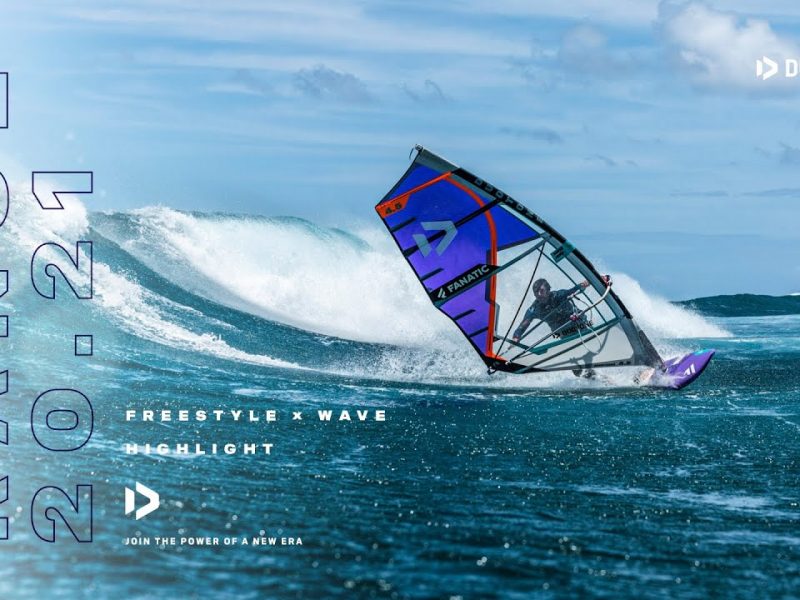
Check out this action packed clip of the 2021 Duotone Super Hero, Super Star and Idol LTD featuring Marc Pare, Victor Fernandez, Arthur Arutkin, Adrien Bosson and Adam Lewis!
Via Duotone
The post 2021 DUOTONE AVENGERS: SUPER HERO | SUPER STAR | IDOL LTD appeared first on Windsurf Magazine.
Windsurf Magazine https://ift.tt/32aUeCUmartes, 8 de septiembre de 2020
#Windsurf MOVE ON UP: JEM HALL RIG TUNING BASICS
MOVE ON UP: JEM HALL RIG TUNING BASICS
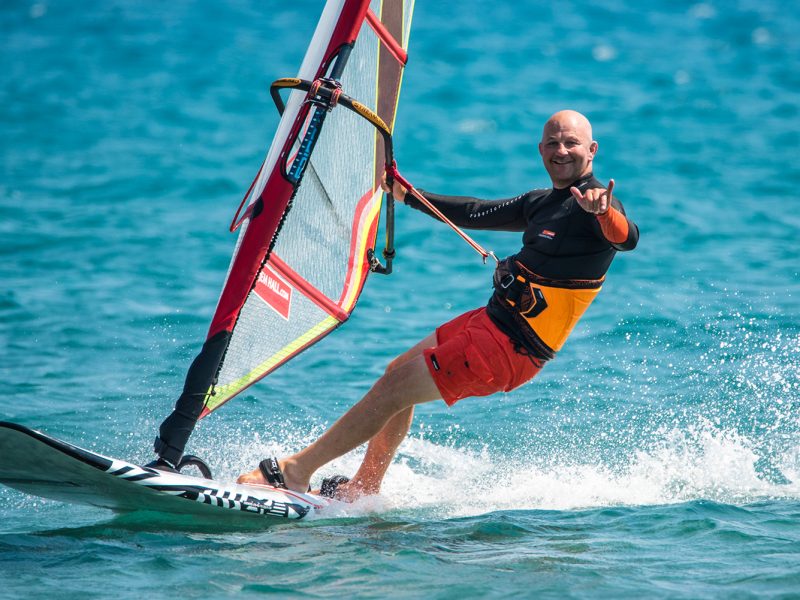
JEM HALL
MOVE ON UP – WINDSURFING TECHNIQUE
RIG TUNING BASICS
WORDS: JEM HALL
PHOTOS: NICOLAS JONES
In keeping with summer, the high season for newcomers to windsurfing, we go back to basics this month and look at the fundamentals of rig tuning. Getting your rig to its optimal state is all about finding a base to work from and then tune, experiment and reflect from there. This piece is not going to disappear off in a haze of luff curve, flex response time and other fancy jargon, but rather provide you with the basics that I have seen benefit hundreds of people I have coached.
The main areas we will cover are: harness line length, spread and position, boom height and the main trimming variables of both outhaul and downhaul.
3 CORNERS AND 3 SIDES
When I am coaching, I love to ask my people questions, engage them and help them become better at self coaching, so they can continue to ask themselves questions and the progression continues. One of my favourite questions is what are the names of the 3 corners and 3 sides of the sail?
For corners, the bottom corner is called the tack, the top corner is called the head and the back corner (where you look mid gybe) is called the clew.
For sides, the bottom side is called the foot. A freeride sail has a low foot to help keep power down low for blasting, whilst a wave sail will have a higher foot for manoeuvrability. The leading edge of a sail is called the luff, with the mast going in the ‘luff tube’. To luff can also mean head upwind or sheet out. Opposite the luff, is the trailing edge, known as the leech.
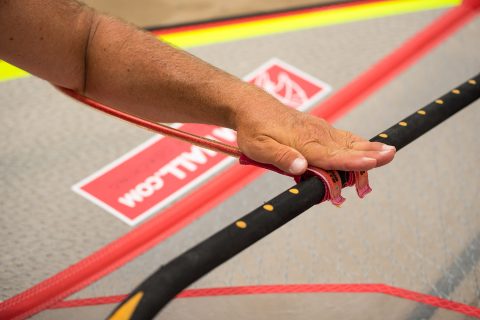
HARNESS LINE LENGTH
This subject can be very contentious, but I advocate long lines so the sail can work with you and you are in a position that is fluid and in balance with the sail’s power. A greater distance from the rig in a straight line means you are more likely to maintain this in a move and so have a higher likelihood of completion. Longer lines also facilitate easy hooking in and out, which will smooth out your transition entrances and exits. Longer lines also get the rig more upright and therefore more efficient. The best way to embrace long lines is to sail one handed, as you have long heard me champion. Please note it is not too long a line that causes you to unhook, it is raising our hips and bending our arms in, a common ill in windsurfing.
The measure I use in the picture has worked with hundreds of sailors and utilises your actual forearm length, as people can be tall with medium arms or shorter with long arms. Try it out and if you are going from short to long then you can transition gradually into the length if you so wish.
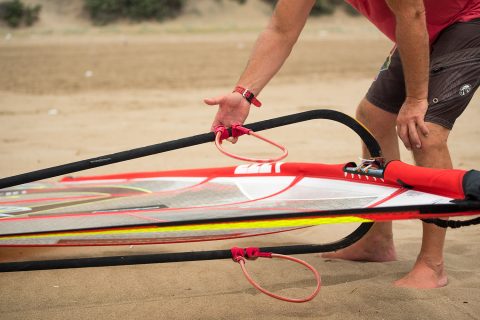
HARNESS LINE POSITION
Your front harness line position depends on the type of sail and size of sail. A bigger sail has the power point further back, and where the sail pulls from will also move further back as we get more powered up. Some sails and brands of sails have a more aft power point and some more forward, so get some intel and find out what sort your sail is and reflect too on where the sail is pulling from.
Here are some ways to find your front line position, but please know that this position is best felt on the water sailing along:
- Go hand by hand down the boom, starting at the front, and at around 5 hand widths for a medium sail, 6 for bigger, you will often be on the money. Do the same on both sides of the boom and then go out on the water and see where the pull is coming from and shift your lines a few cms in the relevant direction. So if the pull is more from the front hand, shift your lines forward and vice versa.
- You can also lay your arm down the boom, with your elbow at the front and the tips of your fingers can often give a good starting point for the front line.
- Many booms have markings on them and so you can use the dots, and note these positions. One of my booms is 3.5 dots for smaller sails, 4 dots for medium sails and 5 dots for 6.5 / 7.0, as an example.
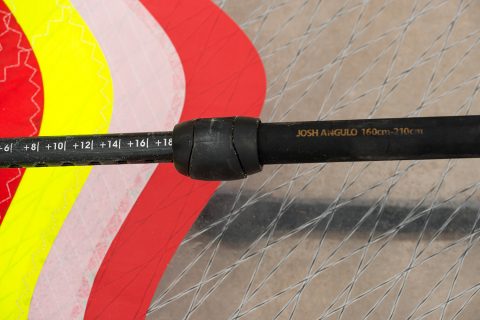
- Lifting the boom with one finger also really works, as in the pic. The power point is where the sail is the deepest and this is also where the sail will balance if dangled and you can then place your lines either side of that point.
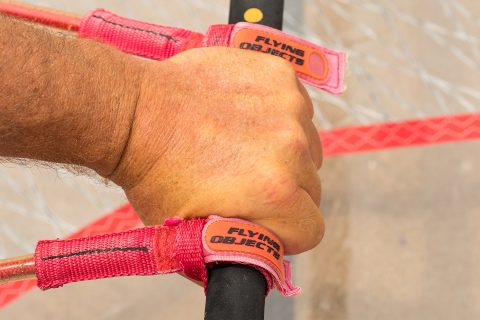
HARNESS LINE WIDTH
When coaching I encourage people to ‘feel the rig’ and this is easier to achieve with our hands closer together. This also means you can get the rig further away from you, more upright and your hands very close together for sailing upwind and top turns in wave riding as an example. I favour one finger apart, other people 2 – 3 fingers apart, but the max should be only a palm’s width. Why I hear you cry, well too wide means the front hand creeps forward (decreasing the power from the rig) and the backhand creeps back, where it can oversheet the sail when getting planing or hitting a lull.
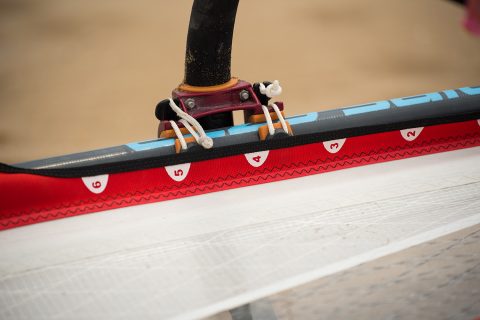
BOOM HEIGHT
This is very much a personal preference, so here I will just advise how to place it at a consistent height and how best to measure this height.
- Refer to the boom cut out as many sails have numbers on their cut out. Beware that some sail brands have high boom cut outs and some lower, so find what works best for you. On my Ezzy sails I know position 5 is high, 3.5 is low and 4 is around medium.
- You can also use the tail of board and see how many fingers the boom is off the tail when the rig is laid down next to it with the mast foot attached. One finger off or on the tail is low and a hand width or more is getting high.
- You can also stand next to the rig on the board for a guide, with armpit being low, shoulder being medium, neck height being high.
It is important to understand the effects of boom height on your sailing:
- A higher boom or moving the boom up produces power and helps you get planing.
- A lower boom, or moving the boom down, gives you more control.
- Moving the boom down also helps with moves and wave riding, but will challenge you more in your planing.
- Note that if the boom is too far up, you won’t be able to bend the back leg enough to get planing comfortably.
- Boom heights, in general, have moved down.
- You would be surprised how much more control you have when very overpowered if you move your boom down and also how just raising your boom slightly will help you get planing in marginal condi
DOWNHAUL
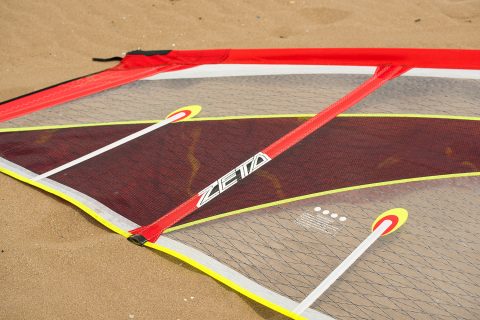
Downhaul (DH) has a major effect on a sail’s power and control, so adjustments to DH should be very small. More DH gives more control as the sail is set flatter. Less DH gives more power as the sail is fuller and produces more lift. Don’t be frightened to really experiment at the ends of the spectrum. I have set my wave sails very very full for float and ride and very very flat when maxed out. My own preference is a slightly flatter set sail as it is better in moves and I compromise on planing with this, but get the benefit of the sail being lighter through the air.
OUTHAUL
I must admit I love tweaking the outhaul (OH) to get the best out of every session. You can make your changes in the shallows, or out the back in a wave break and benefit immediately from more control or power. With it being so easy to adjust it is surprising how few people tune it. Often when coaching we do a feedback loop and people say they were overpowered and I ask them what did you do about that? Sometimes, if it is manageable, I enthuse them to increase their outhaul so they can stay on the same sail if it is cutting up rough and just tough it out and learn to be ‘comfortable with being uncomfortable,’ and often after 20 minutes of crazy times the wind drops back down anyway, so a sail change would not have been beneficial.
Therefore my main tip here with OH is to get used to changing your outhaul on the beach, in the shallows and even in deep water. This stops you having to change sails as much so we get more water time. It not only gives you more control when you tension the OH but it can also give you a big boost in power if you ‘relax’ it too.
RRD boards, wetsuits & softwear, Ezzy sails & Black Project fins sponsor Jem Hall. Get him live and direct on one of his highly acclaimed coaching holidays, but be quick as they are selling out – check out his website
www.jemhall.com
for more details. You can also follow him on twitter / Facebook / Instagram.
The post MOVE ON UP: JEM HALL RIG TUNING BASICS appeared first on Windsurf Magazine.
Windsurf Magazine https://ift.tt/2ZjIbS2#Windsurf FANATIC 2021: FOILING AND WING FOILING
FANATIC 2021: FOILING AND WING FOILING
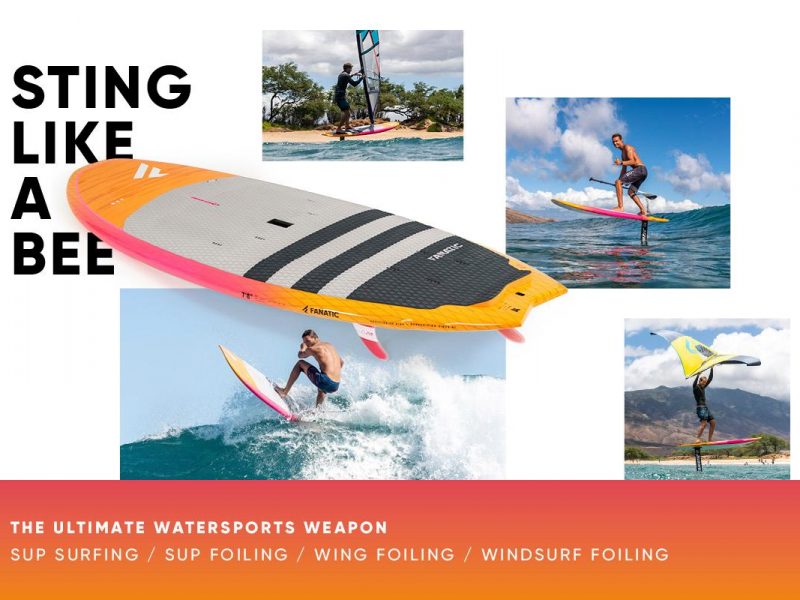
More new toys released from Fanatic to cater for your foiling and wing foiling needs!
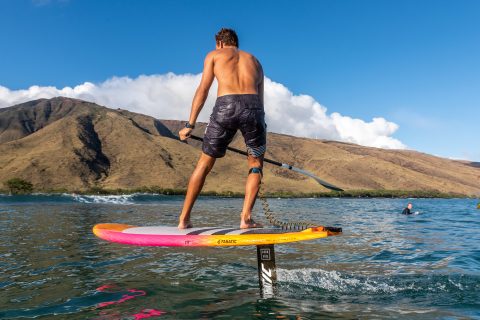
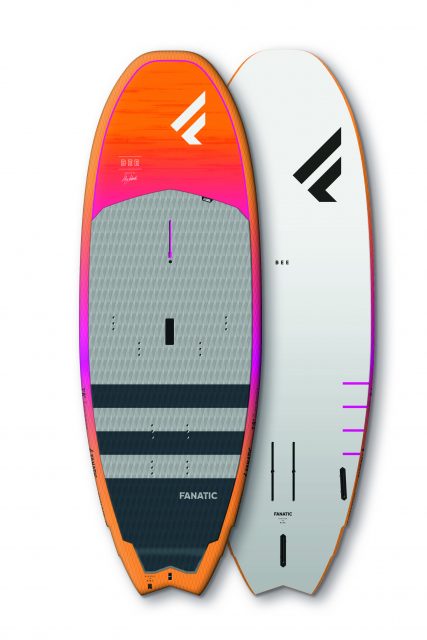
Bee: Our new Bee is the ultimate watersports-weapon. We’ve packed four different dimensions of pure fun into one board: SUP Surfing, SUP Foiling, Wing Foiling and Windsurf Foiling – you decide on the setup you ride.
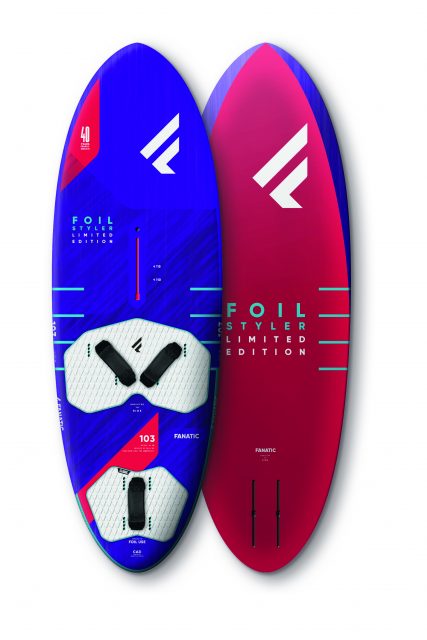
Foilstyler:
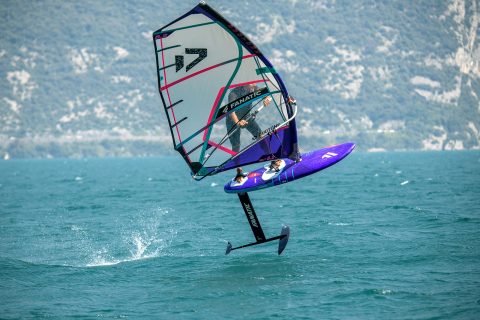
The brand new Foilstyler is designed for progressive foilers with their focus on manoeuvres rather than straight line performance only.
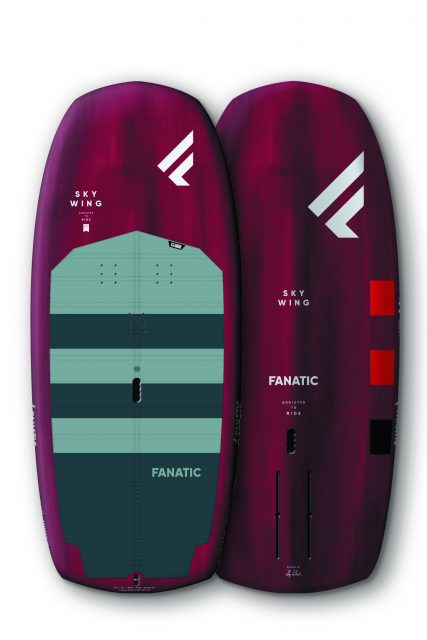
Sky Wing (new sizes):
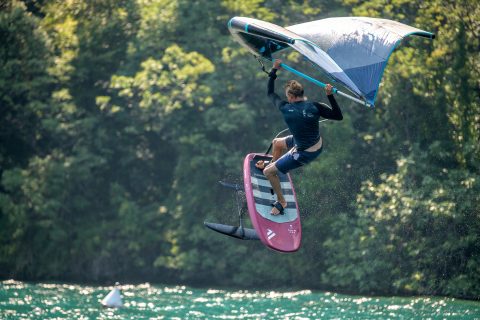
The Sky Wing is our dedicated board range for Wing Foiling. The ultra-compact shapes feel minimal when in flight mode but are loaded with volume for an easy start and maximum stability while floating.
The latest additions 5’8” and 6’0” are focussed on the earliest take-off possible with minimal board size, but plenty of volume.
The post FANATIC 2021: FOILING AND WING FOILING appeared first on Windsurf Magazine.
Windsurf Magazine https://ift.tt/32aamEPCOCO HO'S Beach Day with Friends | GOOD VIBES OF THE WEEK
lunes, 7 de septiembre de 2020
#Windsurf ANTOINE ALBERT: GRAN CANARIA ACTION
ANTOINE ALBERT: GRAN CANARIA ACTION
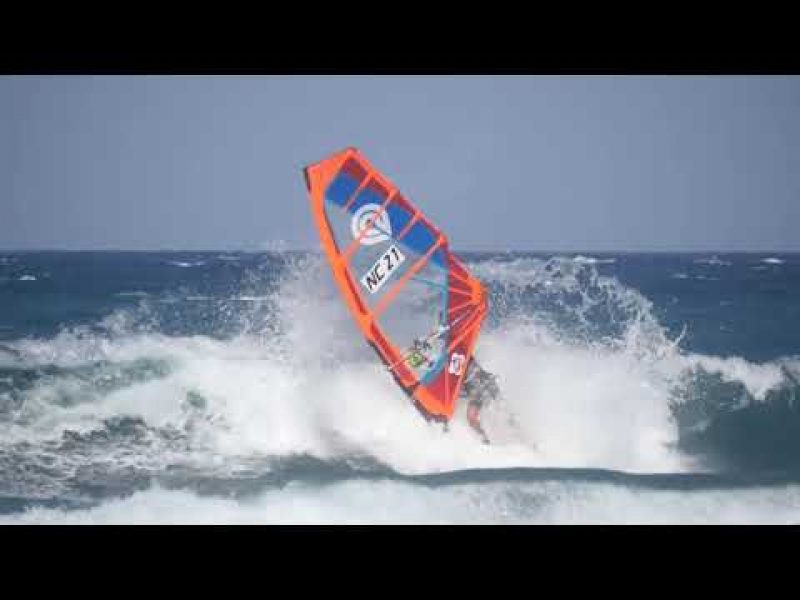
Antoine Albert spent six weeks training in Gran Canaria and brings us this action packed clip!
Via Antoine Albert
The post ANTOINE ALBERT: GRAN CANARIA ACTION appeared first on Windsurf Magazine.
Windsurf Magazine https://ift.tt/328sOhh